
What is the world called in The Relic: First Guardian?
Arsilthus — a once-thriving land destroyed when the great Relic was shattered.

The Relic: First Guardian walkthrough: the Arsilthus story premise, the semi-open route between Sealing Stones, and how exploration ties into bosses.
A full playthrough covering the Arsilthus story route and major Brutal boss encounters in order.
~7 min read
Sponsored
This The Relic: First Guardian walkthrough covers the Arsilthus story setup and how the semi-open route connects Sealing Stones, dungeons, and Brutal bosses, so you spend exploration time on the right detours instead of every detour. Verified August 12, 2026 · Steam.
| Fact | Detail |
|---|---|
| World name | Arsilthus |
| Player role | The last Guardian |
| Map structure | Semi-open — linear route hidden by terrain |
| Themes | Korean and Asian folklore, memory, tragedy |
| Boss count | up to 80 Brutals, most optional |
| Playtime | 20–35+ hours (estimate) for a full route |
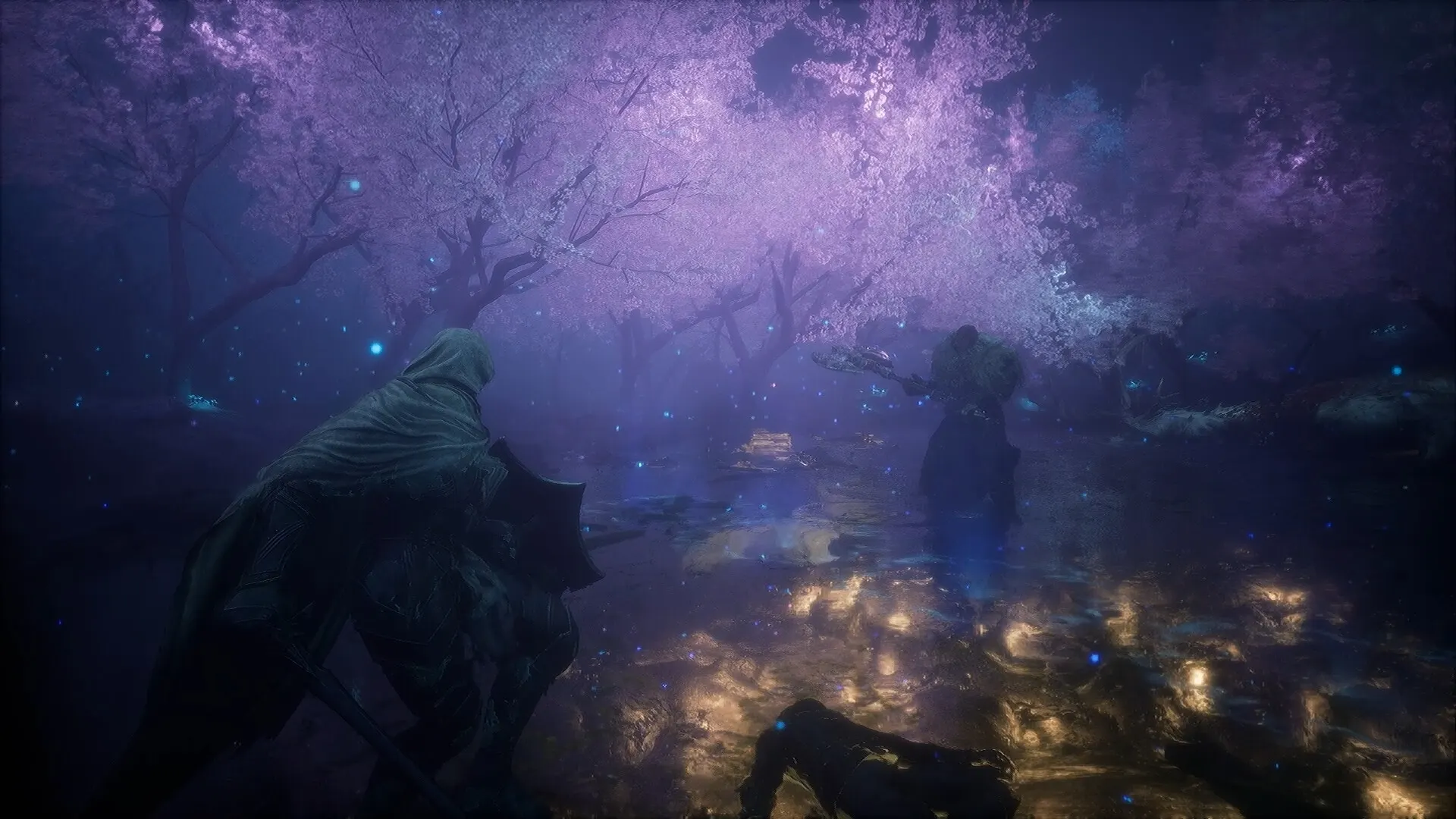
The Relic: First Guardian opens on a world already lost. Arsilthus was once a thriving land, destroyed into a void-swallowed wasteland when its great Relic was shattered.
You play the last Guardian, tasked with collecting scattered Relic fragments — described in official copy as pieces carrying the emotions and wishes of those who came before — to seal the void and restore the world. There is no character creator backstory beyond that role; the fragments themselves carry the personal history.
Rather than generic enemies, most named Brutal bosses have an individual tragic backstory — official and press coverage frames the roster as "tragic bosses" tied to hunger, cowardice, greed, and grief rather than pure monster design. Defeating one often yields a personal memory or journal fragment alongside loot, and no two bosses fight the same way, so a strategy that works on one rarely transfers directly to the next.
The setting draws on Korean and Asian folklore rather than the generic medieval-European dark fantasy most soulslikes default to. That shows up in enemy design, environmental storytelling (notes and ruins doing most of the talking), and the framing of bosses as souls to put to rest rather than trophies to farm.
Arsilthus is a semi-open world: broad, interconnected regions rather than a single open map, with natural obstacles guiding you along a mostly linear path. Treat each region as a loop you finish before the terrain pushes you to the next one.
| If you are... | Do this |
|---|---|
| Stuck on a story boss | Back out and clear a nearby Sealing Stone dungeon for more Relics first |
| Already full on Relic slots | Stop chest-hunting for a while and spend Relic Energy on skill-tree nodes instead |
| Low on Relic Energy for a node | Prioritize field events and Sealing Stone dungeons over backtracking for chests |
| Unsure which region is next | Follow the terrain — canyons and mountains usually gate the intended order |
Each Sealing Stone found while exploring connects to its own self-contained dungeon, separate from the overworld region around it. Clearing one is optional progress, not a story gate, so it is safe to skip a dungeon that is fighting back harder than the region around it suggests.
Between story beats, field events, chests, and Relic Energy collection points reward exploring off the main path — most locations pay out around 600 Relic Energy at a time. That energy is the only thing funding new skill-tree nodes and extra Relic slots, so a region you rush through is Relic Energy left on the table.
Because the world is semi-open rather than open, the map itself does most of the route-planning for you: a canyon, a collapsed bridge, or a mountain wall almost always means "not yet." If a path looks technically walkable but nothing is scaling with you, that is usually the game telling you to come back later rather than an invitation to sequence-break.
Matched by build plan, shared topics, and guide progression — not random related links.
Most regions gate their story beat behind a named Brutal boss, but the wider roster — up to 80 across the run — is largely optional and exists to reward exploring rather than to block it.
| Boss | Note |
|---|---|
| Fell Omen | First weak-point lesson before the open world opens up |
| Branko the Bloodstained Shield | Burning-chapel shield/parry test; detail guide available |
| Entom the Starved | Dodge-focused glutton; drops Memory of the Meal Left Behind |
| Mog, the Deserter | Polished knight swordplay; drops Shroud of Cowardly Survival |
| Knight of the Looter King Valsilas | Named Brutal documented in community boss videos |
| The Wingless Woman | Named Brutal documented in community boss videos |
A handful of bosses sit directly on the main story thread and cannot be skipped forever. The rest — most of the roster — are side encounters you find while exploring, and skipping one costs you a Relic and a memory fragment, not story progress.
Branko the Bloodstained Shield and Entom the Starved are both early-route Brutals with documented fights: Branko tests guard timing and patience, while Entom drops the widely referenced Memory of the Meal Left Behind Relic. Full strategy on each is on their own pages — Branko and Entom.
Confirm first whether it is a story boss or an optional Brutal via the bosses hub. If it is optional, leave, clear another Sealing Stone dungeon or field event, and come back with more Relics equipped — the fight design assumes you will do this rather than grind the same attempt.
Exploration pays out in Relics and Relic Energy, but the run has technical rough edges reviewers flagged at launch — plan around them instead of fighting the game.
Coverage at launch was mixed — praise for the combat and art direction alongside criticism of technical polish, camera behavior, and some reused enemy models. None of that changes the walkthrough route itself, but it is worth knowing before you assume a stutter or a strange camera cut is a puzzle you are missing.
Most walkthrough friction comes from treating Arsilthus like a fully open world or ignoring the optional side of the boss roster.
| Mistake | Fix |
|---|---|
| Forcing a path the terrain is clearly blocking | Treat canyons/mountains as "not yet" — follow the intended route instead |
| Skipping every Sealing Stone dungeon | They fund your skill tree — clear at least the ones near your current region |
| Fighting every optional Brutal in order | Most bosses are optional — check bosses and skip one that is walling you |
| Hoarding Relic Energy instead of spending it | Spend on skill nodes each region — energy does not make hard fights easier by sitting unspent |
Arsilthus — a once-thriving land destroyed when the great Relic was shattered.
It is semi-open — see the map guide for landmarks, Sealing Stones, and Relic Energy points.
No — most of the up to 80 Brutal bosses are optional. See Bosses.
Each one opens a separate dungeon — full landmark list in the map guide.
All 37 Steam achievements are on the trophy guide.
Branko the Bloodstained Shield and Entom the Starved are both documented early-route Brutals — see Branko and Entom.
No official trainer is documented on Steam — third-party trainers are unsupported and can break saves. Use combat guide stamina rules and weapons for legitimate power spikes.
August 12, 2026
Matched by build plan, shared topics, and guide progression — not random related links.